
JOIN OUR TEAM
Let’s create something extraordinary together. Welcome to Thiel & Team.
The city club is evolving. Members continue to value tradition, exceptional service, and a strong sense of belonging, but how they use their clubs has changed. Today’s members expect more opportunities to gather, work, dine, entertain, and connect throughout the day.
Thiel & Team brings architecture, interior design, and procurement together to create private club environments that honor their history, reflect their unique identity, and respond to the evolving expectations of membership. Our approach balances ambitious design with thoughtful programming, operational performance, and long term value.
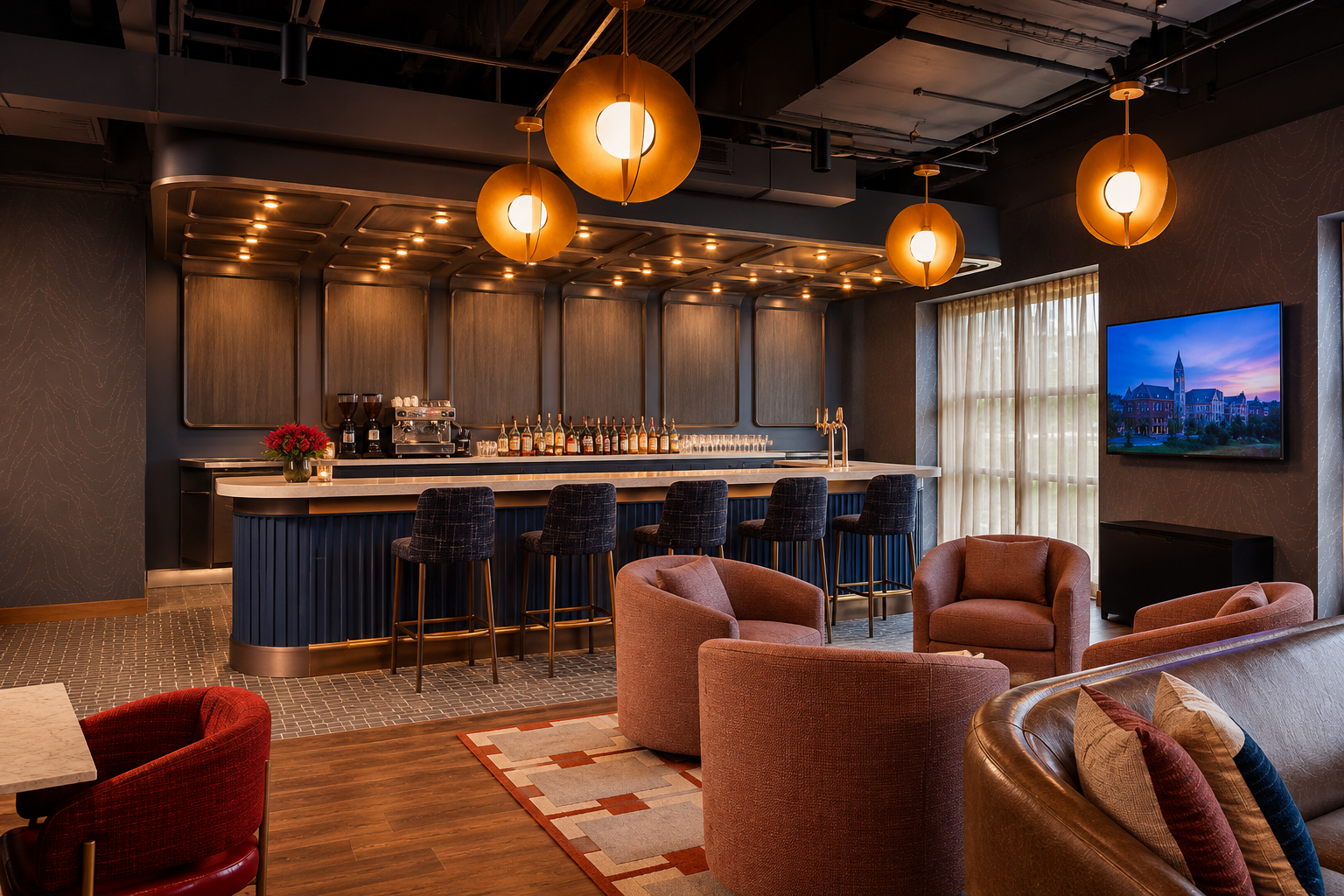
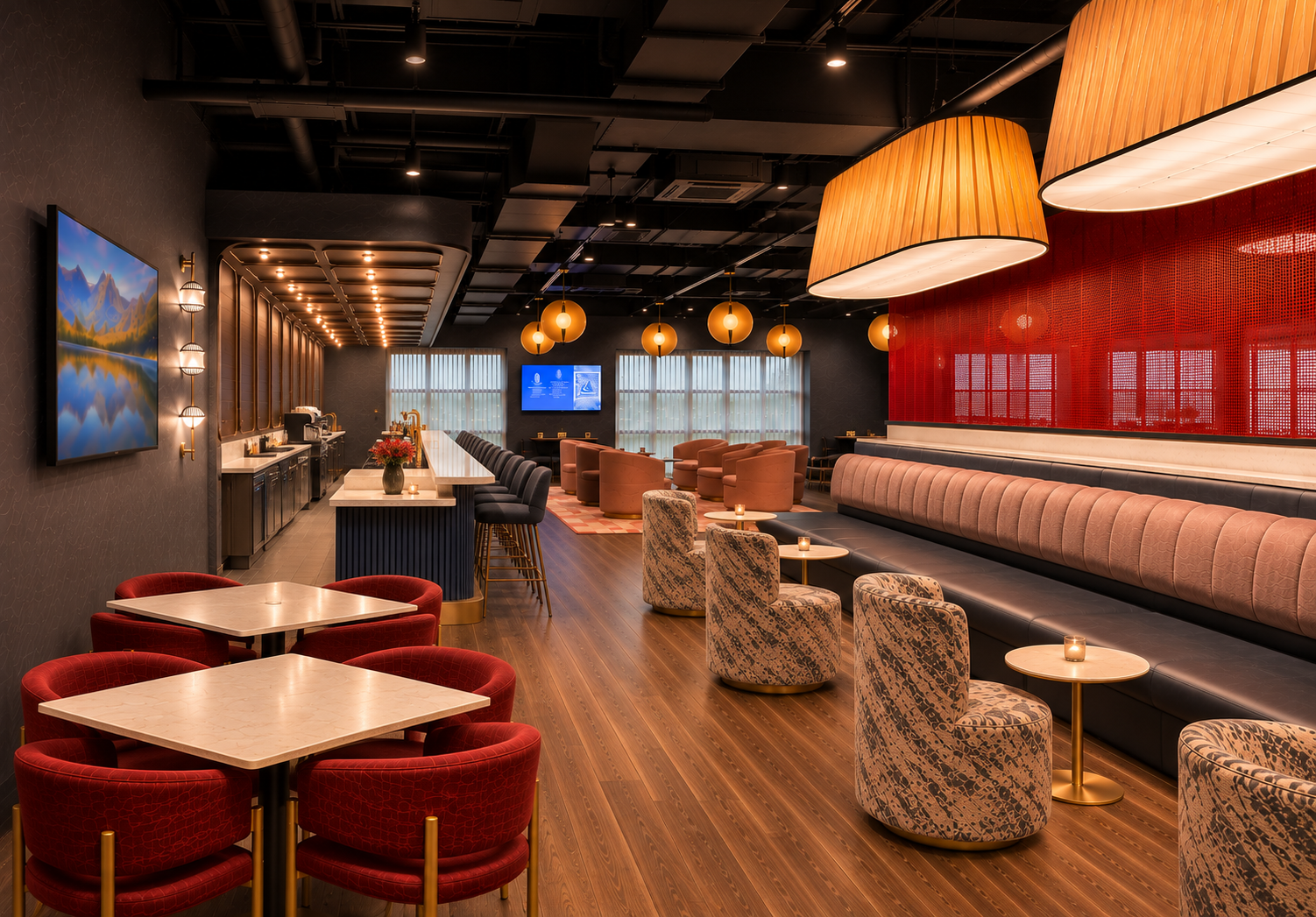
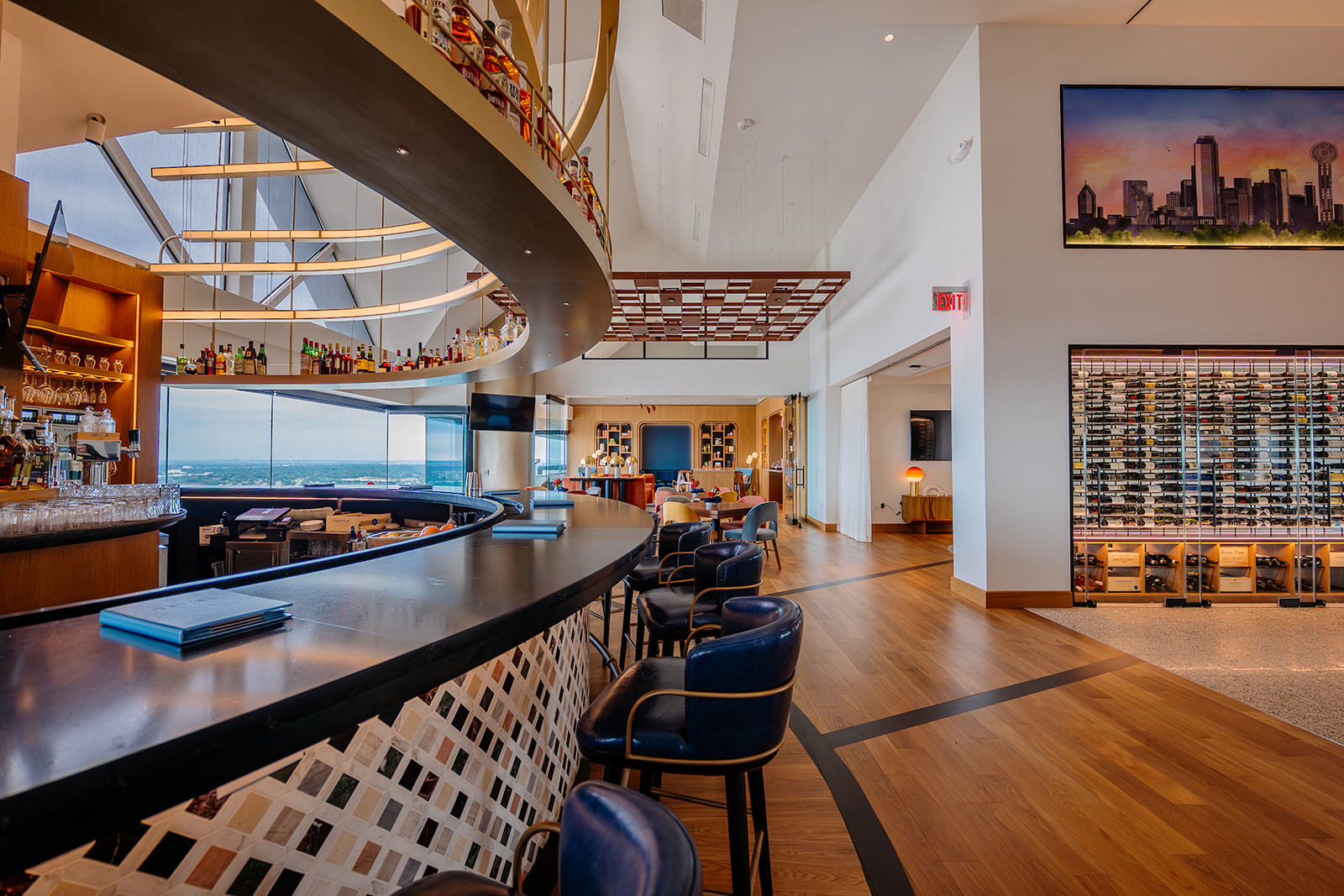
Successful club design requires a thorough understanding of how the club operates, not simply how members experience it. From staff circulation and food and beverage service to storage, building infrastructure, and the flexibility of individual spaces, operational decisions have a direct impact on service quality, efficiency, and the member experience.
We bring architecture, interior design, and procurement together from the beginning, considering constructability, budget, furnishings, lead times, and long term performance alongside the design vision.
For existing clubs, this perspective is especially valuable. The answer isn’t always more space. Sometimes, it’s finding a more intelligent way to use the space you already have.
Every established club has a story. The challenge is knowing which parts of that story to preserve, which to reimagine, and where there is room to create something entirely new.
We look closely at the architecture, traditions, stories, and experiences that have shaped the club’s identity. Some should be preserved. Others can be restored, reinterpreted, or given greater prominence within a new environment.
The goal isn’t to recreate the past or chase what’s next. It’s to understand the club’s legacy, protect what deserves to endure, and build an experience the next generation of members will want to be part of.
Successful club design begins with understanding how the club actually works: how members move through it, how staff support it, where operations create constraints, and where the existing architecture presents opportunities.
We bring together architecture, interior design, and procurement from the start. That allows us to consider the member experience alongside operations, constructability, budget, furnishings, lead times, and long-term performance rather than treating them as separate conversations. From the first idea to the final detail, our multidisciplinary team remains focused on creating a club that looks exceptional, functions beautifully, and feels unmistakably yours.
Whether you’re considering a targeted renovation or establishing a long term vision for the entire club, we begin by understanding what makes it distinctive: its members, its operations, its history, and its ambitions for the future.
Together, we can create an environment that honors what members value today while giving future generations new reasons to belong.
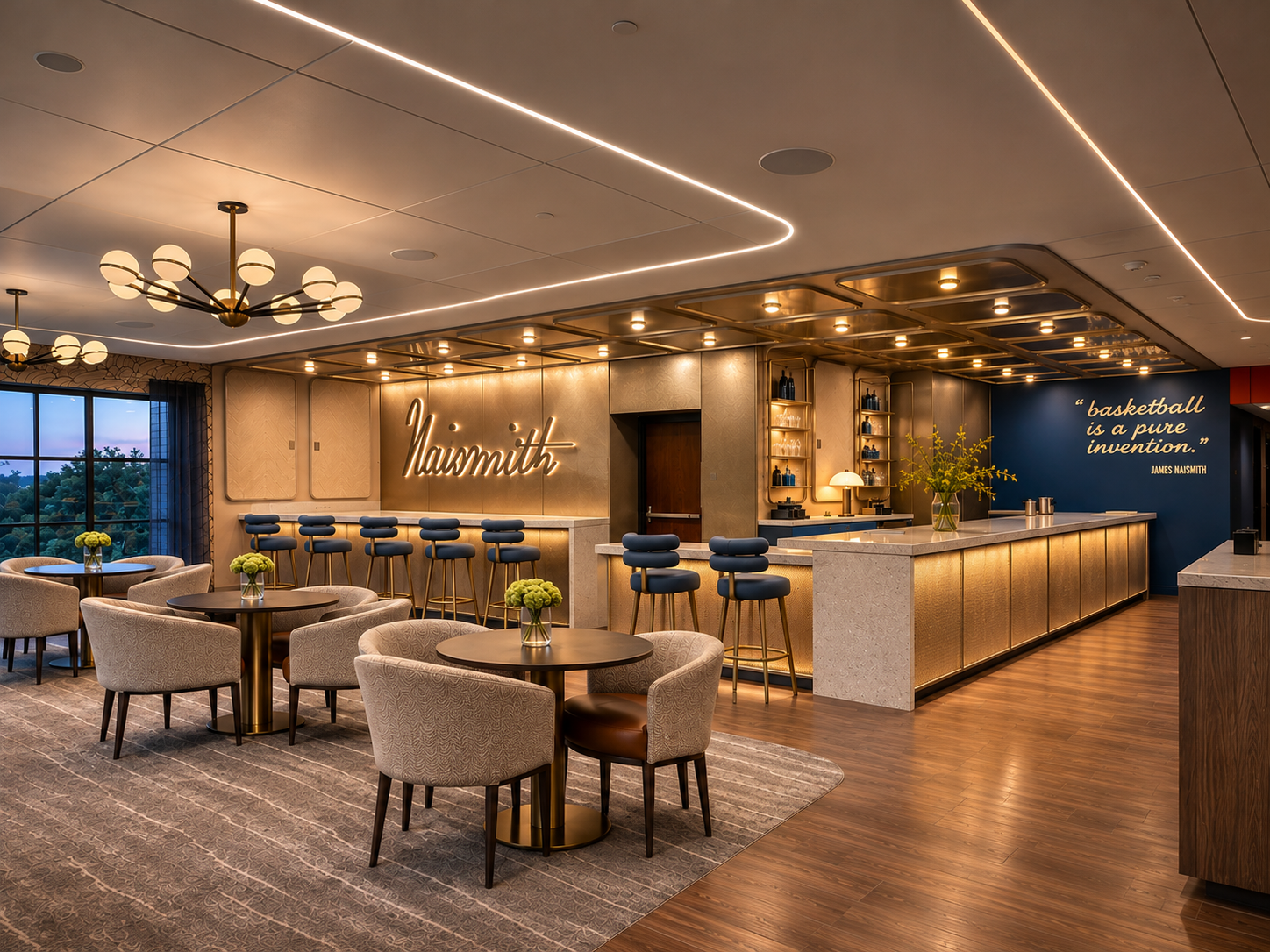
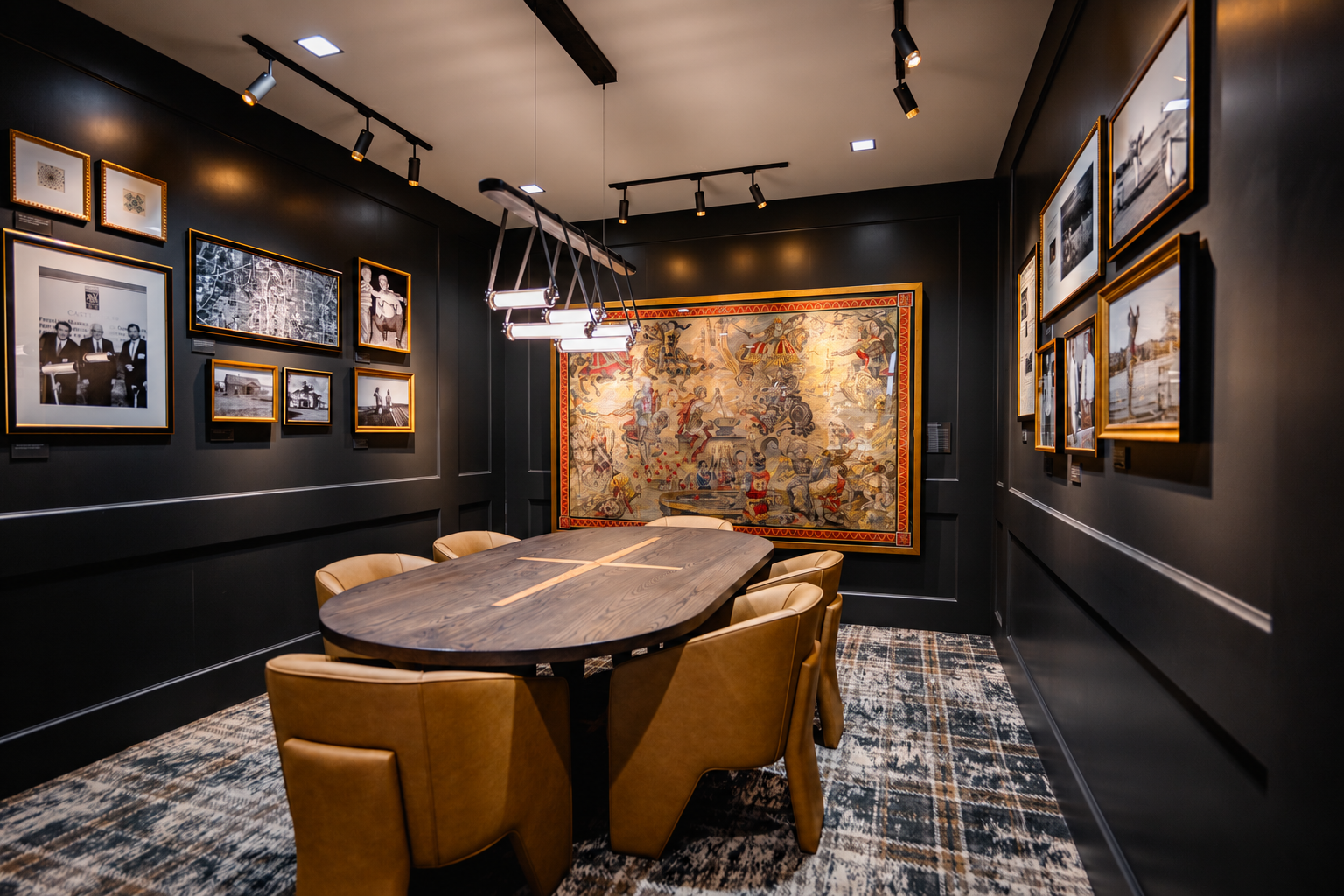
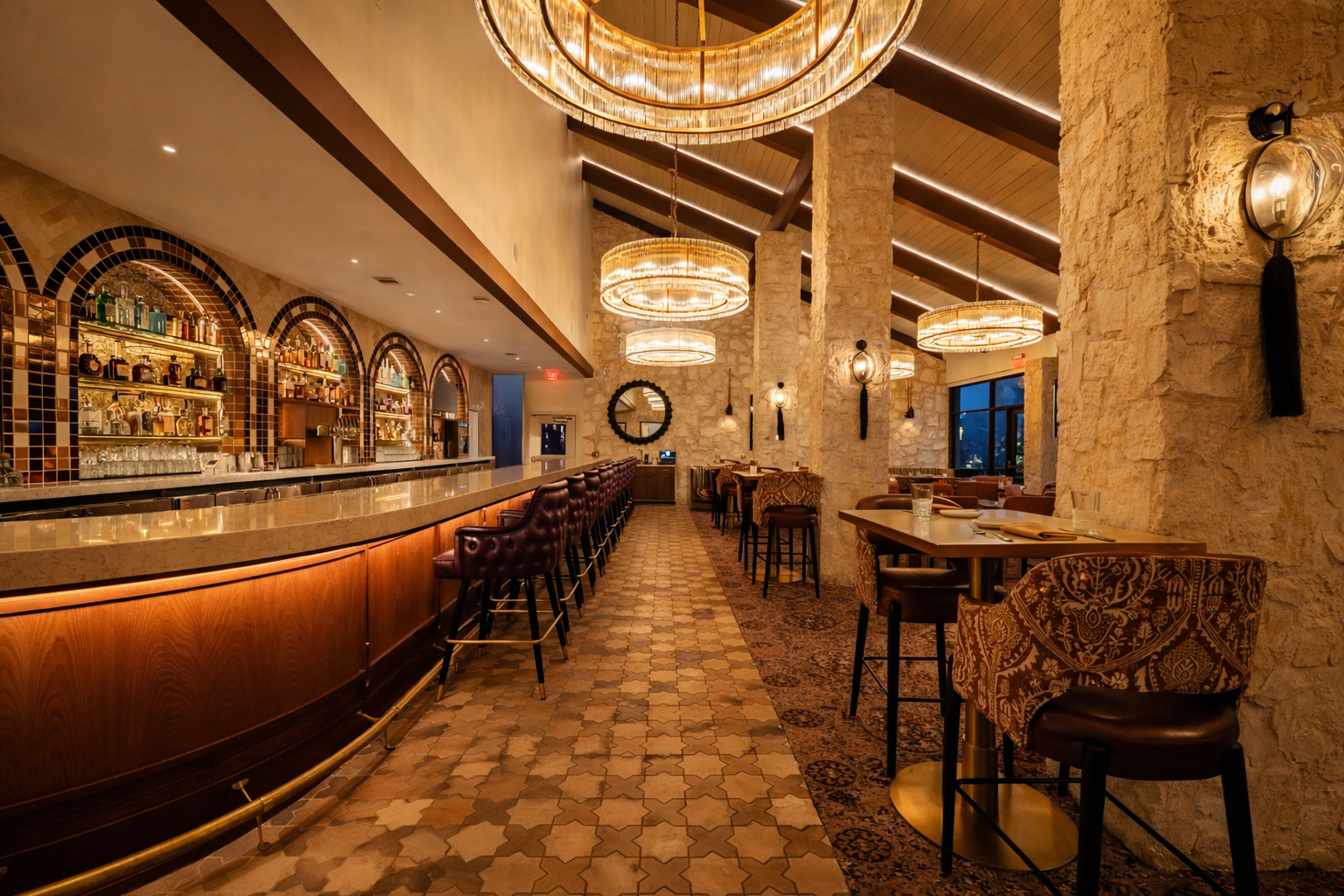
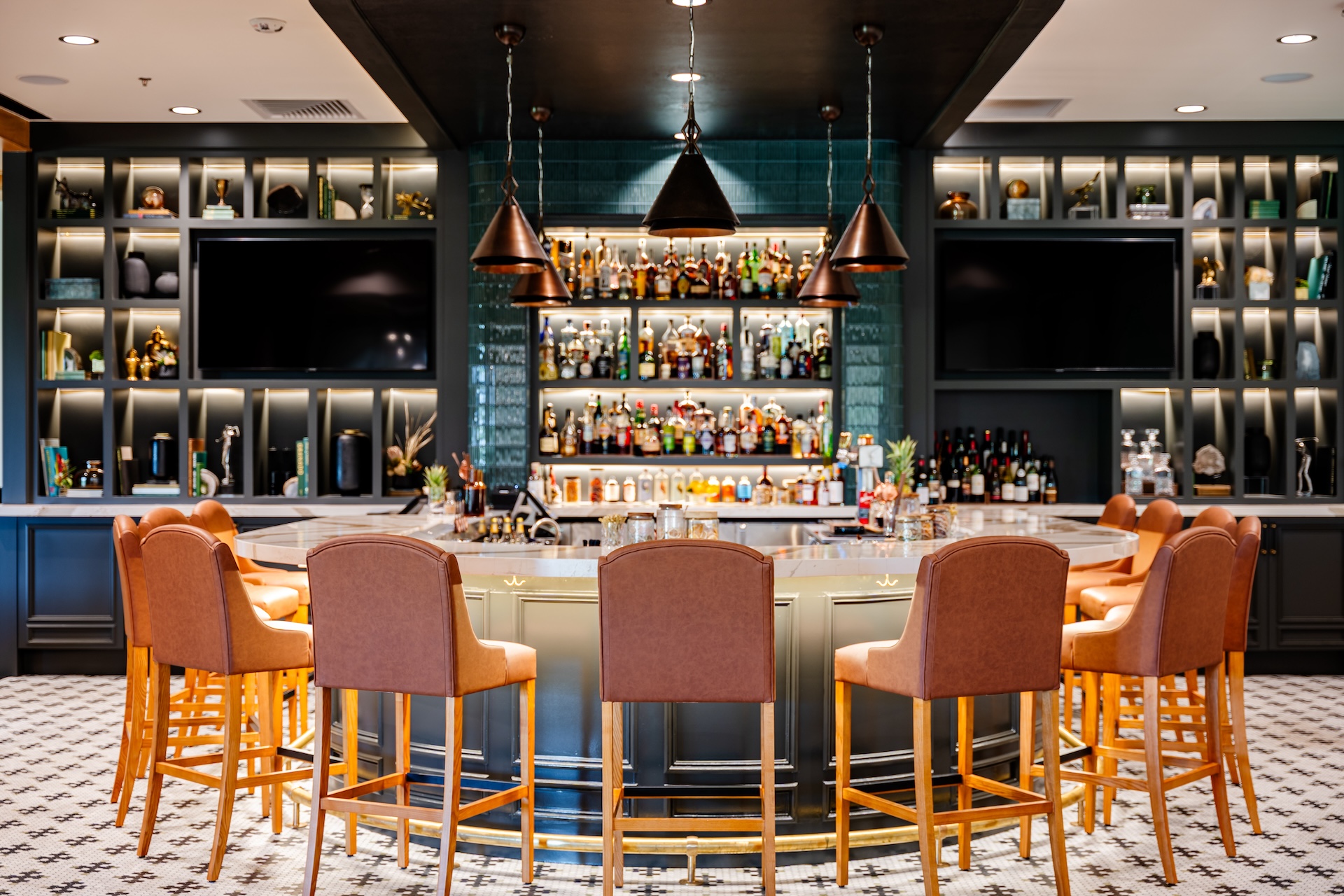
The traditional city club model is changing alongside the way people work, socialize, dine, and entertain. Creating a more relevant club experience starts with programming spaces to serve members for multiple purposes throughout the day.
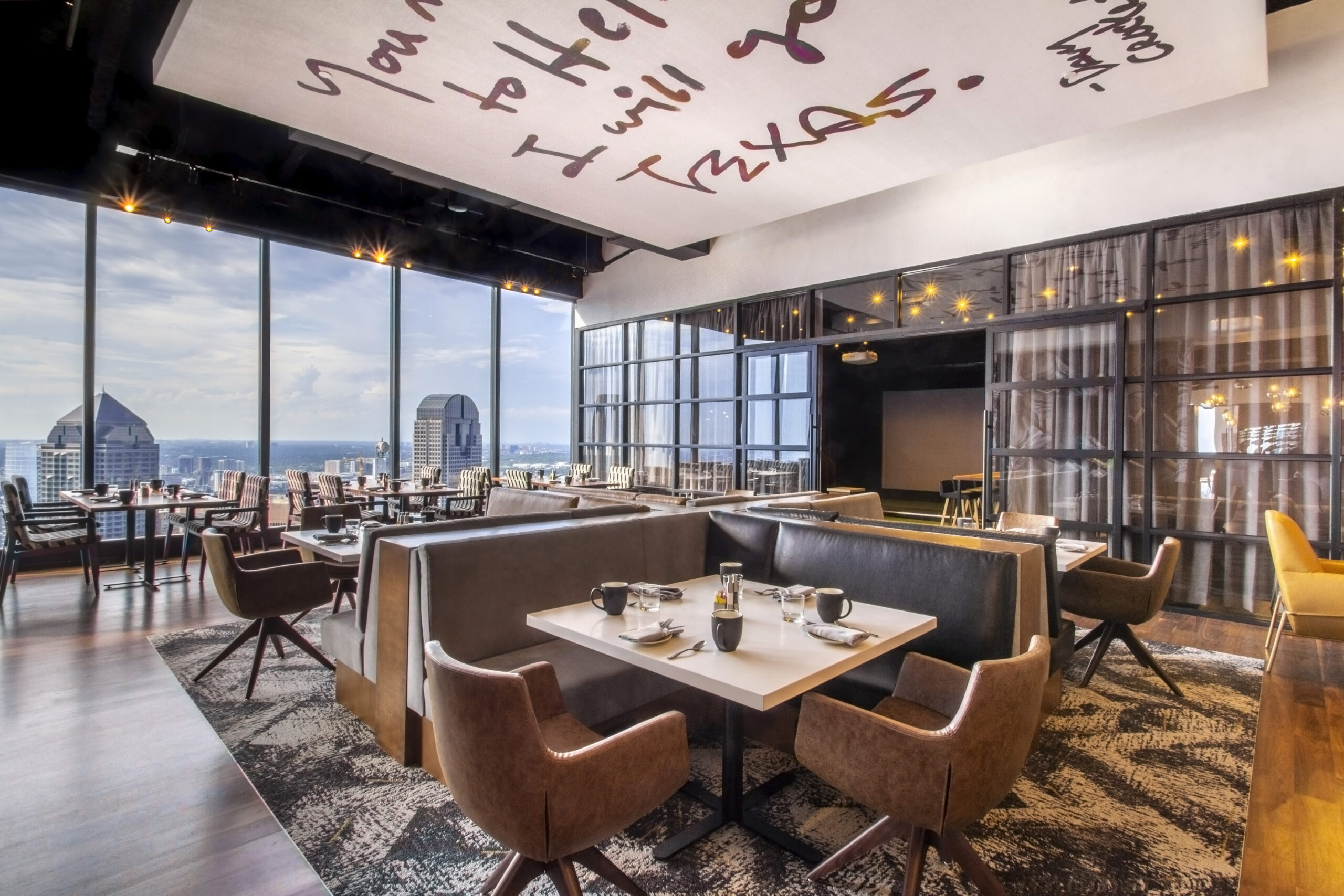
Morning might begin with coffee and a light breakfast in a casual setting. By midday, the club transitions to business lunches, informal meetings, quiet work areas, and social spaces where members can work alongside one another. Active amenities such as golf simulators create another reason to visit beyond dining. In the evening, the experience can shift again to cocktails, elevated dining, entertainment, and private dinners.
Spaces can work harder, too. A private dining room designed with the right technology, acoustics, lighting, and flexibility can function as an executive meeting room during the day and transition seamlessly into an elevated dining environment at night.
The goal isn’t simply to make the club more casual. It is to expand how and when members can use it—creating an environment that remains rooted in hospitality while becoming more relevant to the way members live and work today.
Authenticity starts with understanding what makes the club—and its location—distinct.
We believe the strongest club environments are developed collaboratively. Architecture and interior design, branding, marketing, and club operations should work together to create one cohesive member experience.
Local culture, history, art, architecture, and regional materials can all contribute to a strong sense of place, but the opportunity often lies in the details. Different areas of the club can express different personalities while still feeling connected to the larger brand. One space may be more casual, energetic, and playful, while another feels tailored, intimate, and refined.
Architectural features, material selections, artwork, lighting, signage, and interior detailing become tools for storytelling rather than decoration.
The result should feel specific enough that the experience couldn’t simply be picked up and placed in another city or another club.
High-rise clubs present a very specific set of design and construction challenges. Plumbing locations, electrical infrastructure, exhaust, structural conditions, vertical circulation, acoustics, access, and neighboring tenants can all influence what is feasible.
The answer isn’t always to relocate everything.
We begin by understanding the existing infrastructure and identifying where it can be leveraged. From there, we strategically plan new equipment, millwork, furnishings, operational requirements, and space planning around the conditions that make sense to retain.
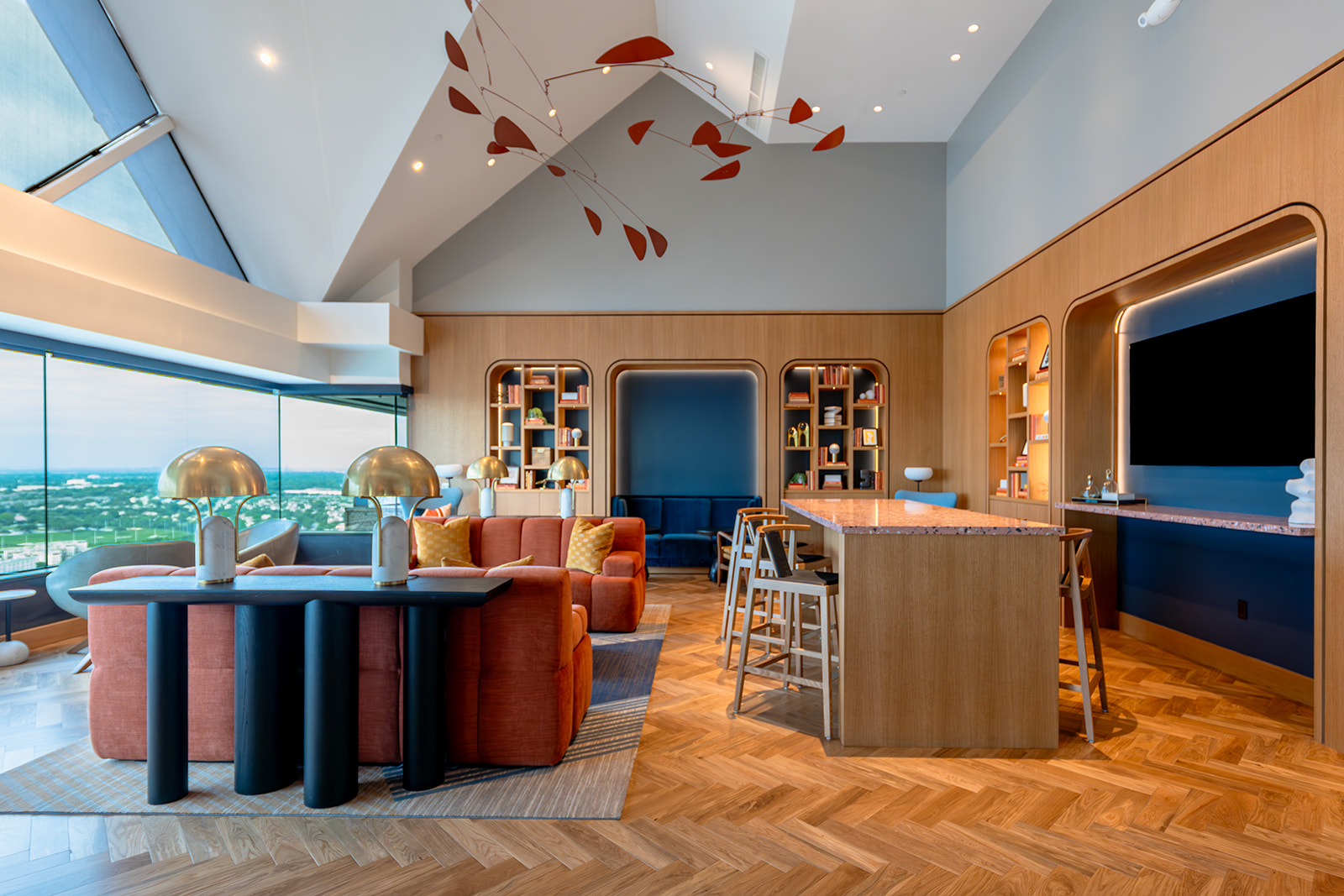
An existing bar, for example, may remain in essentially the same location while being enlarged, redesigned, and completely transformed into the social heart of the club.
Good planning within a high-rise is about knowing where change will have the greatest impact—and where working intelligently with existing conditions can protect the budget without compromising the experience.
This is where hospitality-driven planning becomes especially important.
Members increasingly want the flexibility to work from the club, but that doesn’t mean they want the club to look or feel like a coworking space.
We create a range of environments based on how members actually work. Some prefer the energy of working alongside other members, where thoughtfully integrated power and charging capabilities within furniture can make a lounge, café, or bar equally functional for a laptop and a cocktail.
Other members need greater privacy. Wine rooms and private dining rooms can be designed to double as sophisticated meeting environments with integrated technology, acoustical privacy, flexible lighting, and the appropriate furniture.
We also like creating smaller nooks and niches where a member can step away for a call or concentrate for a short period without completely disconnecting from the club.
The key is making the technology, acoustics, power, and privacy almost invisible so the space functions like a workplace when needed but always feels like hospitality.
Every great city club benefits from spaces where members can do more than dine, drink, or attend a meeting.
Golf simulator lounges are one of our favorites, particularly when designed as experiences rather than simply rooms containing simulators. Dual bays, comfortable lounge seating, dedicated refrigerators or beer taps, and flexible entertaining areas can create a destination for everyday use, private parties, client entertainment, and member events.
Libraries, hidden lounges, and speakeasy-inspired spaces can create a different kind of experience—more intimate, exclusive, and intentionally removed from the energy of the main club. These environments can also support specialized wine, spirits, culinary, or premium membership programming.
Health and wellness is another area gaining momentum. As members place greater value on wellness, fitness, longevity, and recovery, city clubs have an opportunity to consider how premium wellness offerings fit within the larger member experience.
The question we ask isn’t simply, “What amenity should we add?” It is, “What experience can we create that gives members another reason to choose the club?”
Change can be difficult, particularly in a club where members have deep emotional connections to its history, traditions, and spaces. But preserving a club’s legacy doesn’t mean preserving everything exactly as it is.
The most successful transformations understand the difference between what is dated and what is meaningful.
We spend time identifying the traditions, stories, artifacts, architectural elements, and experiences that are genuinely part of the club’s identity. Those elements can then be celebrated in a more intentional and elevated way while the club confidently moves forward.
That may mean restoring an important architectural feature, giving historic artwork greater prominence, incorporating legacy pieces into a new environment, or finding contemporary ways to tell stories that have shaped the club over generations.
At the same time, a club has to be willing to invest in its future. Today’s most compelling hospitality environments are distinctive, authentic, and confident in who they are.
Our goal is not to recreate the past or chase what’s trendy. It is to understand the club’s legacy, protect what deserves to endure, and build an experience that the next generation of members will want to be part of.