
JOIN OUR TEAM
Let’s create something extraordinary together. Welcome to Thiel & Team.
Affordable housing comes with real financial and operational constraints. A successful project addresses these needs while also creating a welcoming community that developers and residents can be proud of.
Thiel & Team brings interior design, procurement, and decades of multifamily experience together to make informed decisions about where to invest, where to simplify, and how to create meaningful resident experiences within the realities of each project.
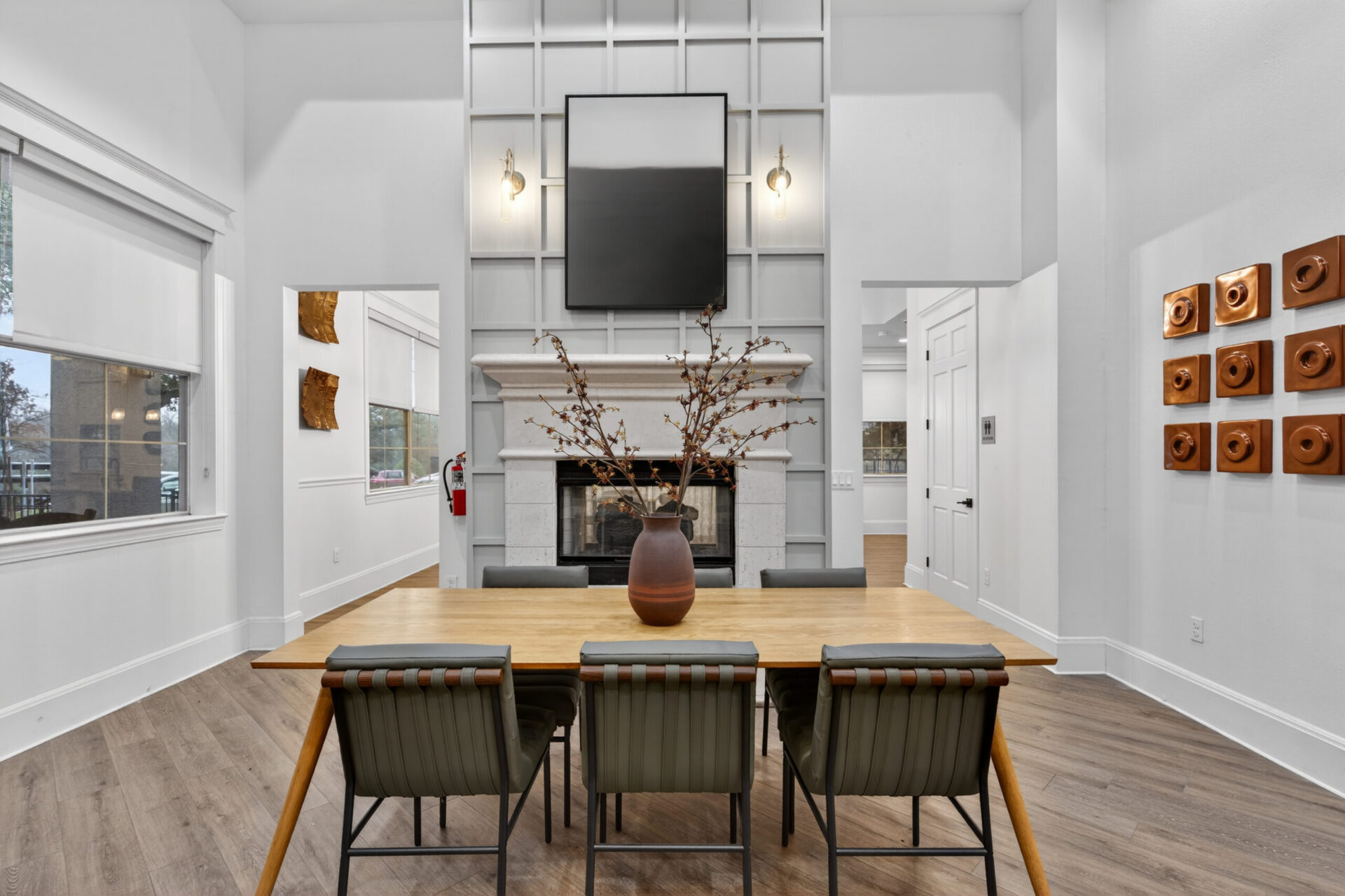

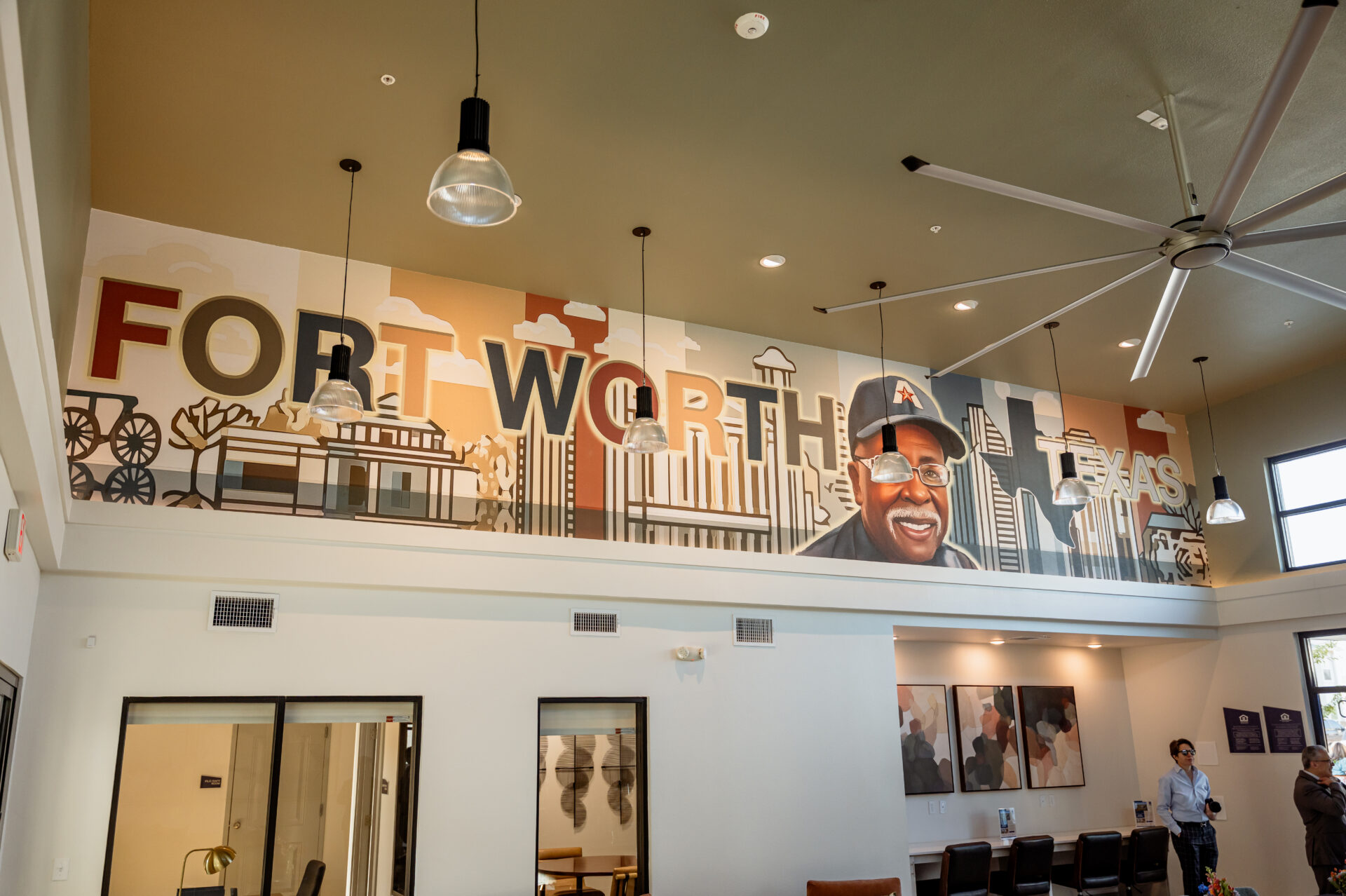
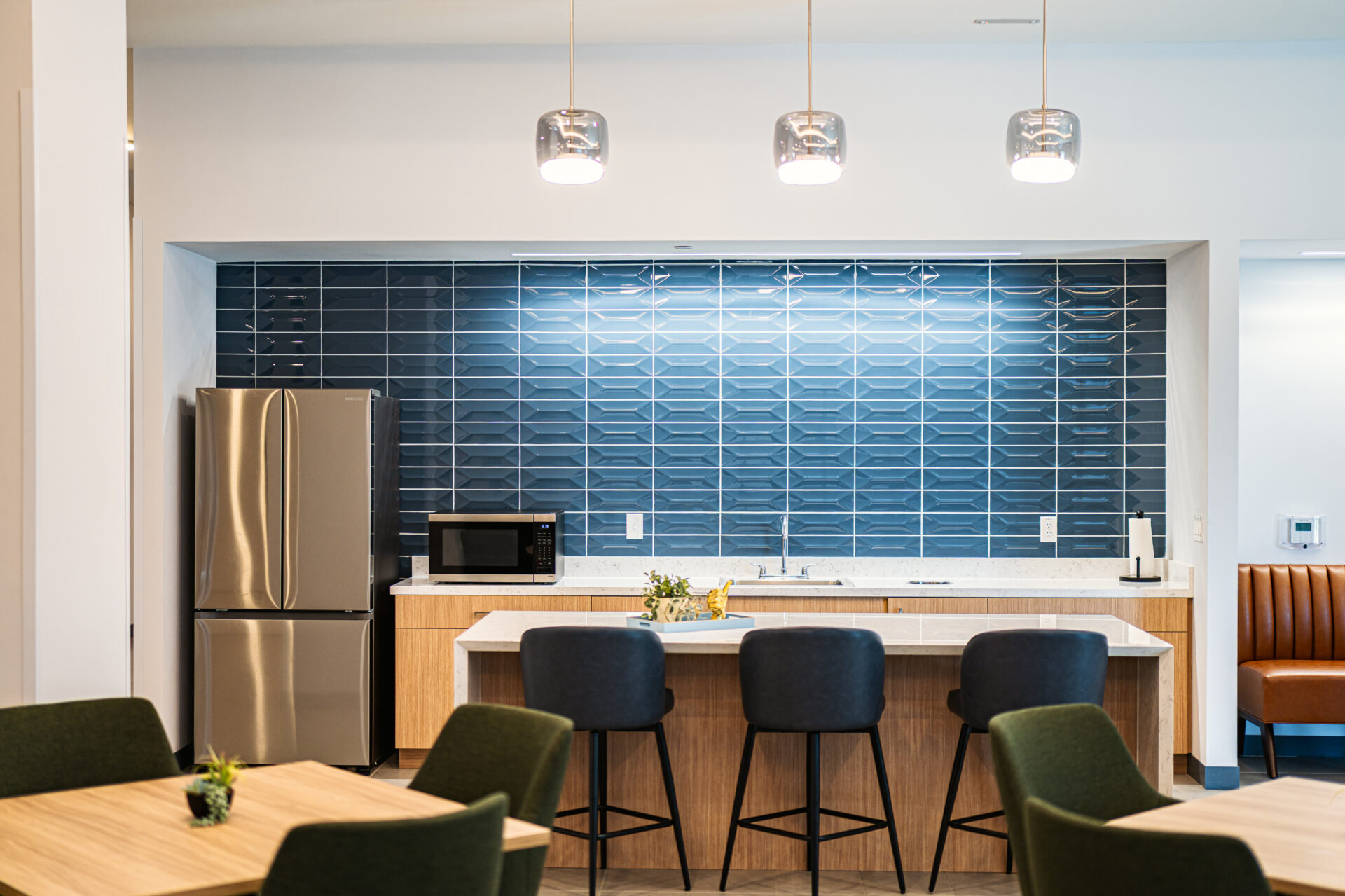
A disciplined budget doesn’t limit the importance of design. It makes thoughtful decisions even more valuable.
We evaluate each project as a whole to understand where design can make the greatest difference. Sometimes that means investing in the spaces and elements residents interact with every day. Other times, a thoughtful material selection, strategic use of color, or carefully chosen furnishings can create meaningful impact without unnecessary expense.
Our experience across multifamily environments, combined with our understanding of materials, furnishings, and procurement, allows us to identify opportunities that balance aesthetics, durability, and cost.
The goal isn’t to spend more. It’s to make every investment count.
No two affordable housing communities are exactly alike, and their design shouldn’t be either.
We begin by understanding the residents, the surrounding community, the local market, and the property’s unique requirements. Those insights inform how shared spaces are programmed, how materials and furnishings are selected, and how the overall environment should look, feel, and function.
Whether creating welcoming gathering spaces, functional fitness areas, or flexible community rooms, our approach focuses on experiences that support everyday life and encourage connection.
Because thoughtful design should reflect the people who use it, not simply the budget behind it.
Not every project requires the same design process, scope, or level of documentation.
If the project is a one-of-a-kind development or comprehensive renovation, it will require very focused and individualized interior design services. If the project is across a larger portfolio, it may mean establishing standardized finish packages, repeatable specifications, and streamlined processes that improve efficiency while allowing each property to maintain its own identity.
We tailor our services to the needs of the project, from early planning and finish selections to furnishings, procurement, and coordinated renovation packages.
This flexibility allows developers and housing authorities to allocate resources strategically, maintain consistency across properties, and create operational efficiencies without compromising the quality of the resident experience.
Together, we can create welcoming, thoughtfully crafted spaces that respect the budget without allowing it to define the experience.
Every affordable housing project brings its own opportunities, requirements, and investment priorities.
Whether developing a new community, renovating an existing property, or planning improvements across a portfolio, Thiel & Team brings the experience and practical perspective to make thoughtful design decisions that serve residents and protect the investment.
Let’s create welcoming, authentic communities where design quality and financial responsibility work together.
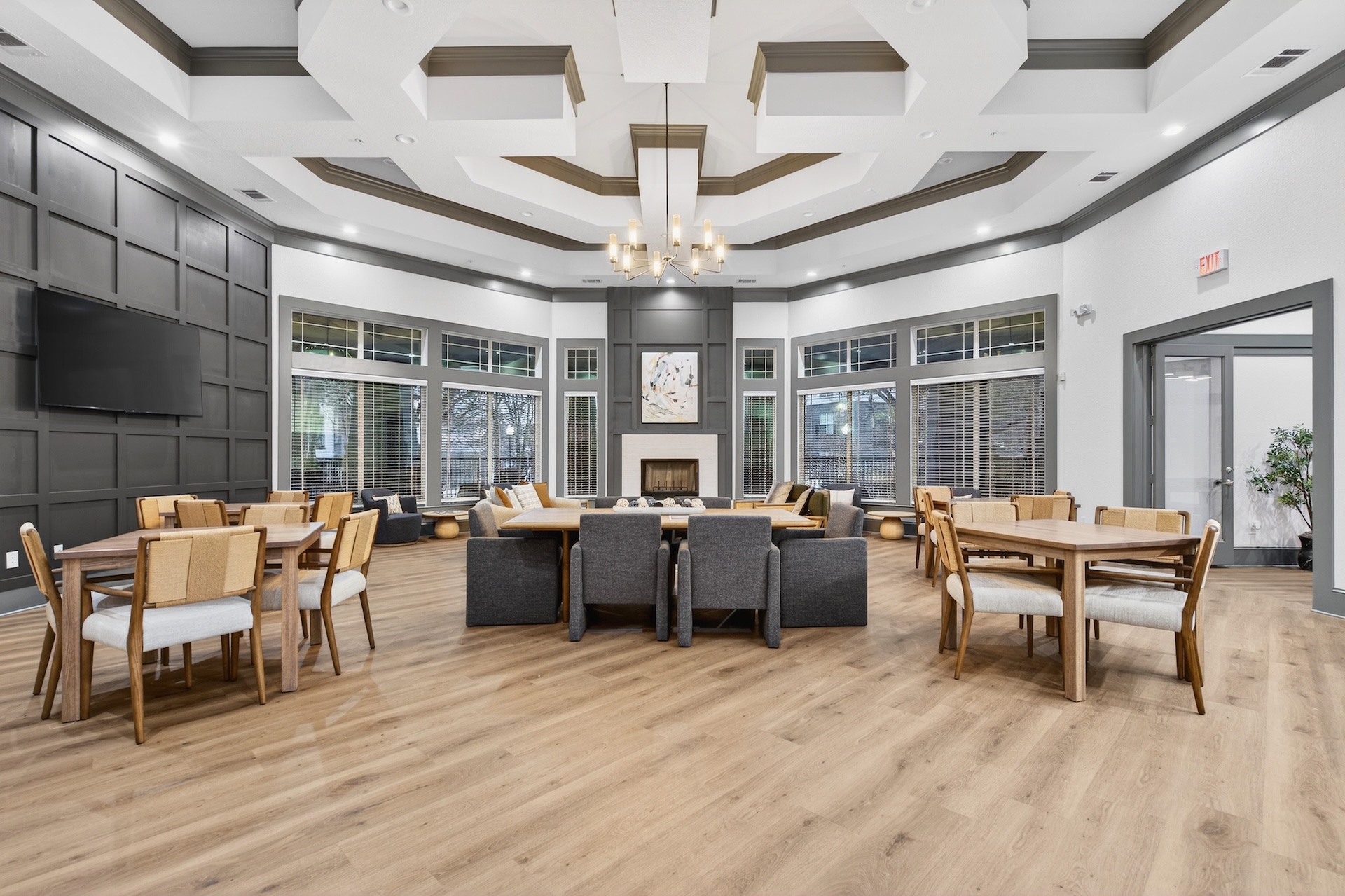
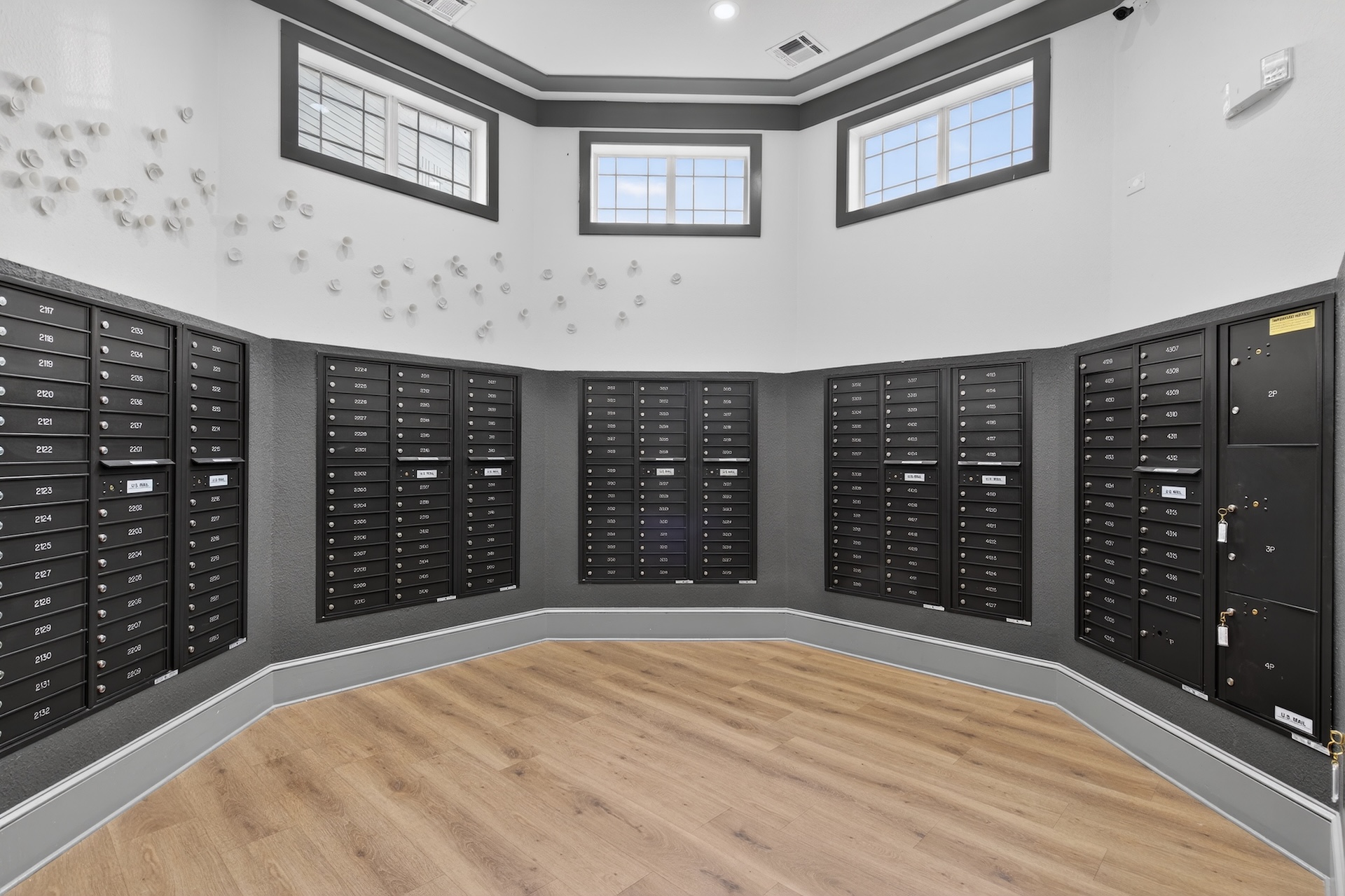
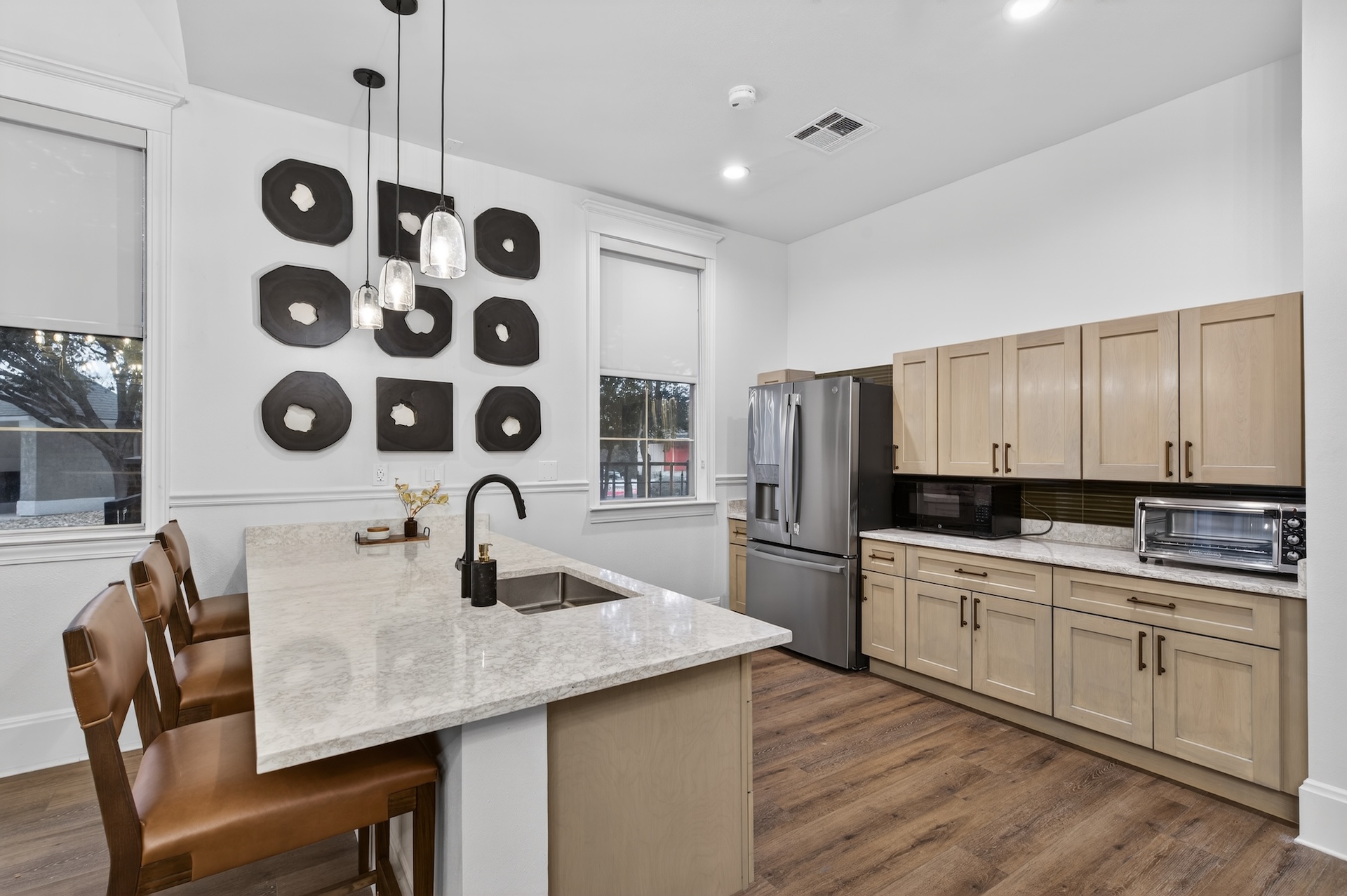
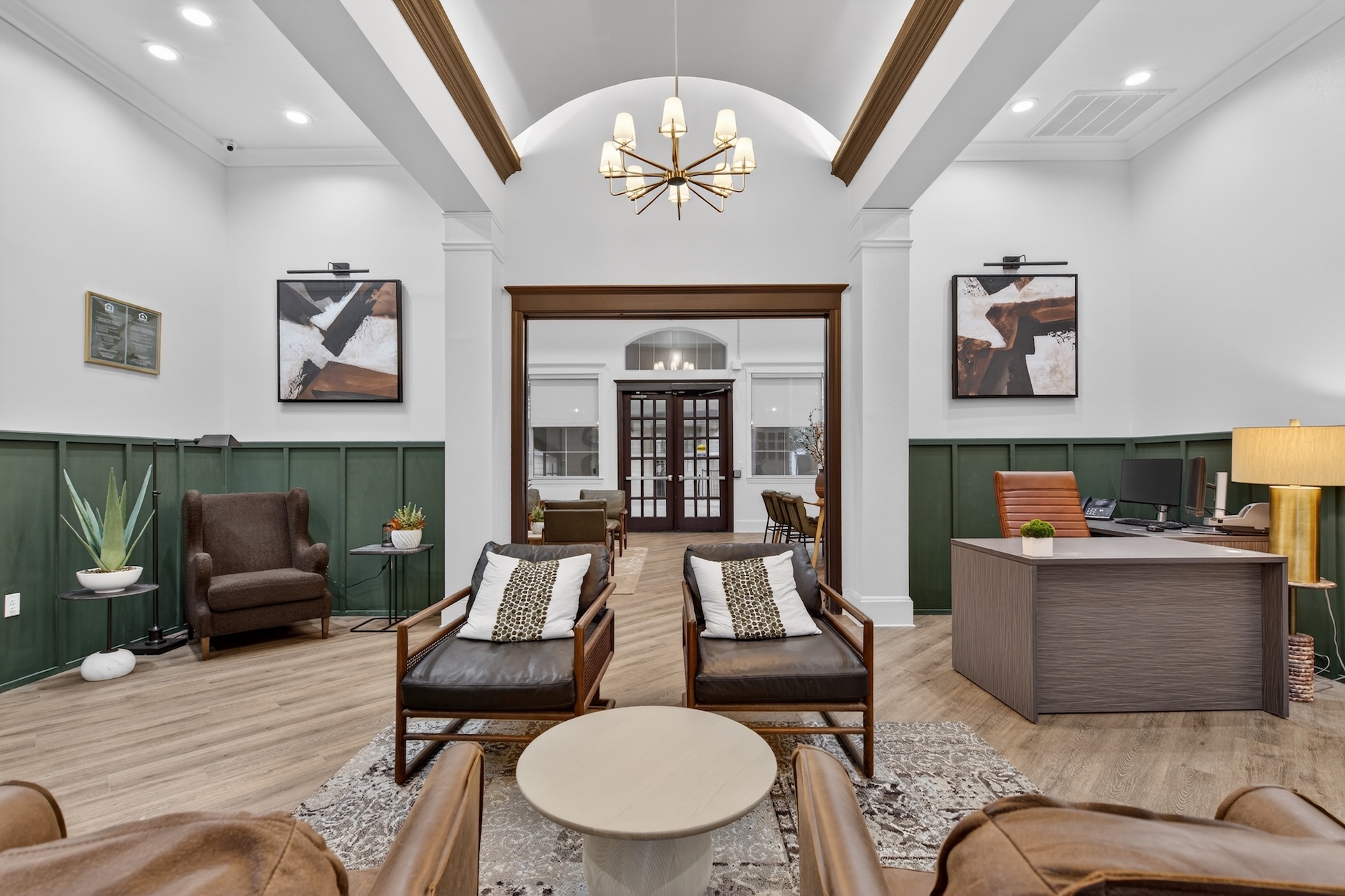
Creating welcoming, well designed community spaces doesn’t require the same investment strategy as a luxury multifamily property. It requires understanding where design decisions will have the greatest impact.
We work with developers and housing authorities to evaluate the spaces residents use most frequently, identify opportunities to simplify construction, and prioritize finishes, furnishings, and amenities that balance aesthetics, functionality, and durability.
A thoughtful combination of cost effective foundational materials, strategic lighting, color, and carefully selected furnishings can create an inviting environment without unnecessary expense.
Our integrated interior design and procurement approach also allows us to evaluate product availability, pricing, and long term performance early in the process.
The goal is to create a quality resident experience while making responsible use of the available investment.
Affordable housing properties often operate within long term ownership, financing, and maintenance considerations that make durability especially important.
We evaluate finishes and furnishings based on anticipated use, maintenance requirements, replacement costs, product availability, and the property’s specific operating conditions.
High traffic flooring, wall finishes, upholstery, millwork, and furniture all require thoughtful consideration. Rather than assuming one material is appropriate for every application, we evaluate how each product will perform within the space and how easily it can be maintained or replaced.
We also consider product consistency and availability for future renovations, particularly when developers manage multiple properties.
Our objective is to protect the initial investment while reducing unnecessary maintenance and replacement costs over the life of the property.
Community amenities should be designed to serve residents today while allowing for changes in programming and use over time.
Flexible furniture arrangements, multipurpose rooms, accessible storage, adaptable lighting, and thoughtful technology integration can allow one space to support a variety of activities.
A community room might accommodate resident gatherings, educational programming, social services, meetings, or family activities without requiring separate dedicated spaces for each function.
We consider how furniture, finishes, circulation, and operational requirements can support multiple uses while minimizing the need for future construction.
The result is a more adaptable environment that continues to serve the community as resident needs evolve.
Managing renovations across multiple properties creates opportunities to improve consistency, control costs, and simplify project delivery.
We work with developers and housing authorities to establish standardized finish palettes, furniture specifications, and repeatable design packages that can be adapted to individual properties.
Depending on the project scope and applicable requirements, this may include simplified documentation for cosmetic renovations or more comprehensive design services when construction or permitting is involved.
Standardized selections can also support more efficient purchasing, product replacement, maintenance, and future renovations.
Our approach allows clients to create consistency across a portfolio while preserving opportunities for each community to reflect its own identity.
Long term maintenance should be considered during the earliest stages of design, not after a property is occupied.
We evaluate material durability, cleaning requirements, anticipated traffic, furniture construction, and replacement availability alongside the design aesthetic.
Thoughtful decisions about flooring transitions, wall protection, upholstery, storage, and furniture selection can help reduce unnecessary wear and simplify ongoing maintenance.
Our interior design and procurement teams also consider product warranties, care requirements, and opportunities to standardize frequently replaced items across a portfolio.
The goal is to create welcoming spaces that maintain their appearance, support property operations, and protect the owner’s long term investment.
The most successful amenity programs respond to the needs of the residents rather than relying on a standard checklist of features.
We begin by understanding the target resident population, local market, available space, operating budget, and the types of programming the property intends to support.
Depending on the community, priorities may include fitness and wellness, flexible gathering spaces, children’s activities, resident services, or outdoor recreation.
We also evaluate how frequently amenities are likely to be used, the staffing and maintenance they require, and whether spaces can serve multiple functions.
This approach allows developers to prioritize investments that create meaningful resident value while remaining financially and operationally sustainable.
Early coordination between interior design and procurement can create greater predictability in project costs, product availability, and installation schedules.
At Thiel & Team, our teams work together to evaluate furnishings, finishes, durability, pricing, and lead times while the design is being developed.
This allows us to identify alternatives, establish realistic purchasing strategies, and reduce the risk of costly substitutions or delays later in the process.
Our procurement services include sourcing, purchasing, vendor coordination, order tracking, delivery, and installation management.
By considering design and procurement together, we can protect the approved vision while maintaining the financial discipline essential to affordable housing projects.